Zinc Whiskers and White Rust
Tin or Zinc whiskers are precise electrically conductive pure - metal crystalline structures that grow on components and products having electroplated tin as a surface finish
Key takeaways
- Zinc whiskers are electrically conductive pure-metal crystalline structures that grow on electroplated tin surfaces.
- Disturbing data center floor panels or cables can dislodge zinc whiskers, making them airborne and hazardous to IT equipment.
- Airborne zinc whiskers can enter IT hardware and cause electrical failures ranging from intermittent to permanent short circuits.
- White rust forms when freshly galvanized steel reacts with atmospheric moisture in oxygen-deficient environments, consuming the coating.
Zinc Whiskers and White Rust
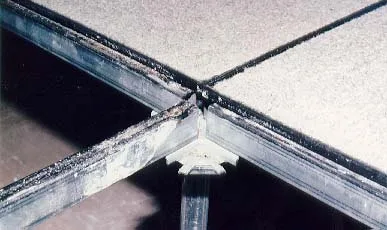
Tin or Zinc whiskers are precise electrically conductive pure - metal crystalline structures that grow on components and products having electroplated tin as a surface finish. Zinc whiskers can grow in abundance within data centers, causing bridging and shorting between electrical conductors and component terminations. While zinc whiskers remain attached to their source i.e. floor panels, pedestals, etc
They are basically dormant, however when the whiskers are disturbed and dislodged, they become airborne and circulate freely throughout the environment. Disturbance is likely to be caused by routine maintenance activities in the Data Centre, including for example, lifting, sliding, reinstalling of access floor tiles or overhead trays and installing of network cables.
Once inside IT equipment, zinc whiskers as electrically conductive structures, can cause various electrical failures, ranging from intermittent to permanent short circuits. Zinc whiskers can also become a physical impediment to moving parts or obscure optical surfaces and sensors within some equipment
White Rust
Atmospheric moisture contains a small amount of contaminates (salt or minerals) and zinc will react quickly with it to form zinc hydroxide, a chalky white and relatively unstable oxide of zinc. Where freshly galvanized steel is exposed to this type of moisture (rain, dew, condensation) in oxygen deficient environment, the moisture will continue to react with the zinc and aggressively consume the coating.
Frequently asked questions
What are tin or zinc whiskers?
How do zinc whiskers cause electrical failures in data centers?
What activities typically disturb and dislodge zinc whiskers?
What problems can zinc whiskers cause besides electrical shorts?
What causes the formation of white rust on zinc?
Subscribe to new articles
Get new articles by email. No spam, unsubscribe any time.
© 2026 Ashraf Almuhtaseb | idata.center | All rights reserved